Avoid hidden rubbish collection charges in Camden Council area
Posted on 10/10/2026
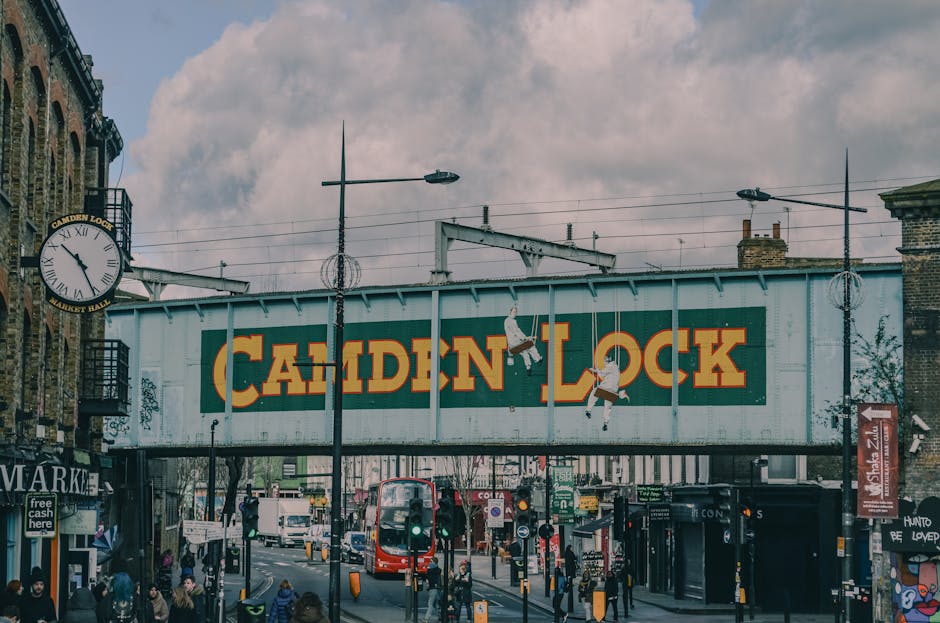
If you have ever booked a rubbish collection and then seen the final bill creep up, you will know how frustrating it feels. In Camden, where narrow streets, flats with awkward access, permit issues, and busy schedules are all part of everyday life, hidden extras can appear in places people do not expect. This guide explains how to avoid hidden rubbish collection charges in Camden Council area, what to check before you book, and how to compare services without getting caught out.
Whether you are clearing a single bulky item, a full flat, or post-renovation debris, the same basic rule applies: the cheapest quote on the page is not always the cheapest job on the day. Let's make the pricing clearer, calmer, and a bit less annoying.
Why Avoid hidden rubbish collection charges in Camden Council area Matters
Hidden charges are more than a small irritation. They can change a budget, delay a clear-out, and make a simple rubbish removal job feel unnecessarily complicated. In Camden, that matters even more because many homes and businesses deal with tight access, limited parking, shared entrances, and time-sensitive clearances. A quote that looks fine online can grow once a team arrives and starts adding fees for stairs, waiting time, difficult access, congestion, extra labour, or waste that was never clearly discussed.
To be fair, not every extra charge is unfair. Some jobs genuinely take more time or resources. The problem is opacity. If you do not know what is included, you cannot compare providers properly. That is where people get stung. A flat in Kentish Town with no lift is not the same as a ground-floor pickup. A few black bags are not the same as builders' rubble. The pricing should reflect that, but it should also be clear before anyone turns up.
For residents, landlords, and businesses, clear pricing builds trust. It also helps you plan around move-out dates, renovation deadlines, end-of-tenancy cleans, or office changes without that awkward "oh, by the way..." moment at the kerbside. Nobody wants that conversation at 8:15 on a wet weekday morning.
Expert summary: The safest way to avoid hidden rubbish collection charges is to get a written, itemised quote, confirm access conditions, and ask what happens if the load is larger than expected. Clear questions now usually save money later.
How Avoid hidden rubbish collection charges in Camden Council area Works
At its simplest, the process should work like this: you describe the waste, the provider estimates the job, and the final price matches the agreed scope. In practice, hidden charges tend to appear when one of those steps is vague. Maybe the provider gives a headline price for "rubbish removal" without saying how much volume is covered. Maybe stairs were not mentioned. Maybe the job involves mixed waste that needs different handling. Maybe parking restrictions create a delay that nobody planned for.
In Camden, the local environment can influence the job quite a bit. Narrow streets, controlled parking, busy routes near stations, and mixed-use properties all affect collection logistics. If you live close to busier areas, even the timing of a collection can matter. A van that cannot stop nearby for long may need quicker loading or a second person. That is not unusual, but it should be explained clearly before booking.
Good providers usually price waste removal using a few common factors:
- Volume of waste - how much space the rubbish takes in the vehicle.
- Waste type - general household waste, garden waste, furniture, appliances, or builders' waste.
- Labour required - one person or a full team, upstairs or ground floor, heavy items or light bags.
- Access conditions - stairs, lift access, narrow hallways, parking, and loading distance.
- Disposal requirements - some materials need more careful handling or separate processing.
The key is not to assume the quote is complete until those points are covered. A quick call or message can be enough, but the details matter. You want the provider to understand what they are pricing, not just what you think they are pricing.
If you need a broader view of local services and what they typically cover, the services overview is a useful starting point before you request a quote.
Key Benefits and Practical Advantages
Avoiding hidden rubbish collection charges is not just about saving money, although that is a big part of it. It also helps you book with confidence, reduce stress, and avoid the awkwardness of renegotiating while waste is already outside the building. Once a pile is on the pavement, people often feel pressured to accept almost anything. Best not to get into that position.
Here are the main advantages:
- Better budgeting - you can plan the job properly and avoid surprise add-ons.
- Cleaner comparisons - itemised quotes make it easier to compare like for like.
- Less delay - clear scope means fewer disputes on the day.
- Better service fit - the provider can bring the right vehicle, team size, and equipment.
- Lower risk of disputes - everyone knows what is included upfront.
There is also a practical benefit that people often overlook: clarity helps you separate genuine extra costs from opportunistic ones. For example, if your waste includes heavy builder's material, a separate rate may be reasonable. If a provider suddenly adds a vague "access fee" after seeing the job, that deserves a closer look. You should feel comfortable asking, "What exactly does that cover?"
In Camden, where homes can vary from compact studio flats to larger family properties and mixed commercial spaces, that clarity is especially useful. One size rarely fits all. A good quote should show that.
Who This Is For and When It Makes Sense
This matters for just about anyone arranging waste removal in the area, but it is especially useful if you are in one of these situations:
- Homeowners clearing out furniture, loft contents, or garden waste.
- Renters who need a quick end-of-tenancy clearance and want to avoid deductions or rushed decisions.
- Landlords and letting agents managing move-outs between tenants.
- Builders and tradespeople dealing with mixed construction waste, timber, plasterboard, or rubble.
- Offices and small businesses disposing of desks, chairs, archive waste, or refurbishment debris.
- Estate executors or family members organising a house clearance under time pressure.
It also makes sense when access is tricky. If your property is above street level, tucked behind a courtyard, or near a loading restriction, you are far more likely to face extras unless you ask the right questions in advance. And yes, even a straightforward job can become not-so-straightforward once a van tries to park on a busy Camden street at the wrong time.
If you are clearing specific items, specialist services can help reduce surprise pricing. For example, furniture disposal, garden waste removal, and builders' waste disposal often have different pricing logic. You can see the relevant service pages here: furniture disposal, garden waste removal, and builders' waste disposal.
Step-by-Step Guidance
Here is the most practical way to keep pricing transparent and avoid surprises. Not glamorous, but it works.
- List exactly what needs removing. Include item type, approximate quantity, and anything awkward such as broken glass, paint, soil, or dismantled furniture.
- Take a few photos. Wide shots and close-ups help a provider estimate volume and labour. A quick picture often tells the story better than a long explanation.
- Describe access clearly. Mention stairs, lifts, parking availability, loading distance, narrow entrances, or timed access restrictions.
- Ask what the quote includes. Check labour, loading, disposal, VAT if relevant, and any access or congestion-related charges.
- Confirm whether the price is fixed or estimated. Fixed means fixed. Estimated means it may change if the load or access differs.
- Ask about weight-sensitive waste. Heavy materials can price differently from light mixed household items. That is common, not suspicious.
- Request the conditions for extra charges. If the provider may charge more for extra volume or unforeseen access issues, ask for the trigger points.
- Keep the quote in writing. Email or message confirmation is better than relying on a quick phone chat.
- Prepare the waste before collection. Bag loose items, separate what can be stacked safely, and make access as clear as possible.
- Check the final invoice before paying. If something differs from the agreed scope, ask for the reason calmly and directly.
That last step matters more than people think. When the team is standing there ready to go, it is easy to just nod and hope for the best. Better to pause for thirty seconds and check the detail. Saves headaches.
Expert Tips for Better Results
Over time, a few habits make a real difference. They are simple, but they stop most of the common pricing problems before they start.
Be specific about the waste mix
"A bit of rubbish" is too vague. Say whether it is mostly household junk, old furniture, garden cuttings, light DIY waste, or builders' rubble. Mixed loads can be fine, but the mix changes the price and disposal route.
Use photos, not just descriptions
Photos help the provider judge the real volume. A room can look small, but once the items are stacked, it fills a vehicle quickly. Cameras have a nasty habit of making clutter look harmless, then you stand there thinking, hmm, that was not so tiny after all.
Ask about minimum charges
Some jobs are priced with a minimum load or minimum labour fee. That can be perfectly normal. The trick is knowing it early so you can decide whether to bundle the job with something else or split it later.
Clarify whether dismantling is included
If a wardrobe, bed frame, or shelving unit needs taking apart, ask whether that is included or charged separately. The same applies to bagging loose waste or moving items from multiple rooms.
Check the invoice wording
Good invoices match the quote. If you see "extra handling," "waiting time," or "site access" on the bill, ask what happened and whether you were told about it in advance. Sometimes there is a fair explanation. Sometimes, not so much.
Plan around local access issues
If you know the road is tight or parking is awkward, tell the provider. In busy parts of Camden, that small heads-up can prevent delays and avoidable fees. A calm five-minute conversation can be worth more than a long complaint later.
If you want a better sense of how pricing and payment are structured before booking, the pricing and quotes page is worth reviewing alongside your estimate.

Common Mistakes to Avoid
Most pricing problems come from a handful of avoidable mistakes. None of them are dramatic on their own, but together they create the sort of bill that makes you stare at the screen for a few seconds in silence.
- Choosing only by headline price. A cheap starting price can hide add-ons for labour, access, or waste type.
- Not describing stairs or parking. Access issues are one of the most common reasons for extra charges.
- Assuming all rubbish is priced the same. Furniture, garden waste, and builders' waste often sit in different pricing categories.
- Ignoring the quote format. If it is not itemised, ask for it to be broken down.
- Forgetting about fragile or awkward items. Mirrors, large appliances, or dismantling work can affect labour time.
- Leaving the booking too late. Rush jobs can reduce your room to negotiate or compare.
- Not checking what happens if the load changes. If you add extra bags on the day, confirm the price adjustment before the team starts loading.
One simple rule helps here: if anything about the job is unusual, say so early. A cracked freezer in a basement is not the same as a few bin bags in a driveway. The clearer you are, the less room there is for guesswork.
Tools, Resources and Recommendations
You do not need special software to avoid hidden rubbish collection charges, but a few practical tools make the process much easier.
- Phone photos - the quickest way to show volume and access.
- Notes app or checklist - useful for listing items, measurements, and access details.
- Basic room measurements - helpful for larger clearances or bulky furniture.
- Calendar reminders - useful if you need to clear waste before a move, sale, or renovation handover.
- Written quote screenshots or email chains - good to keep in case details need checking later.
For broader background, the website's recycling and sustainability page can help you understand how waste is handled with a more responsible mindset, especially if you are sorting items into reusable, recyclable, and non-recyclable groups.
If you want to learn more about the company, its approach, or the team behind the service, the about us page is a sensible place to look. It is often helpful to know who you are dealing with before you hand over a job.
And if you are browsing local reading material while comparing options, the Camden-focused articles can add useful context, such as the Camden Town NW1 rubbish collection guide for residents or the Chalk Farm Road and Kentish Town clearance tips.
Law, Compliance, Standards, or Best Practice
Waste collection is not just a customer service issue; it also touches on responsible disposal and legal compliance. You do not need to become an expert in waste law to book confidently, but you should expect any provider to handle waste properly, transport it safely, and dispose of it through appropriate channels. In UK practice, that usually means working with licensing, duty-of-care expectations, and safe handling standards where applicable.
From a consumer point of view, the best practice is straightforward: ask where the waste is going in broad terms, keep records of your booking, and avoid anyone who seems vague about disposal. If a provider is evasive about what happens after collection, that is a red flag. Hidden charges are one problem; improper disposal is a much bigger one.
Safety matters too. Heavy lifting, sharp objects, dust, and awkward stair carries all introduce risk. A sensible provider should think about access, handling, and protection of people and property. If you have fragile flooring, tight stairwells, or awkward shared spaces, say so. It is not being fussy; it is being sensible.
For a more detailed look at how the service approaches safety and handling, you can review the insurance and safety information. It is a small step that can save a lot of trouble if something unexpected crops up.
On the payment side, it is also worth checking how your money is processed and how personal data is treated. Those details do not sound exciting, granted, but they are part of a trustworthy booking experience. The site's payment and security and privacy policy pages provide the basic framework.
Options, Methods, or Comparison Table
Not every clearance needs the same approach. Sometimes a one-off collection is the neatest choice. Sometimes you need a fuller house clearance. Sometimes you only want specific items taken away. Here is a simple comparison to help you think it through.
| Option | Best for | How pricing usually works | Watch out for |
|---|---|---|---|
| Single-item or small load collection | One or two bulky items, a few bags, light clear-outs | Often minimum charge or small-load rate | Hidden minimums, access fees, extra labour |
| Furniture disposal | Sofas, wardrobes, beds, tables, mixed furniture | Usually based on item size, labour, and loading time | Dismantling charges, stairs, awkward moves |
| Garden waste removal | Green cuttings, soil, hedge trimmings, branches | Based on volume and waste type | Heavy bags, mixed soil, access through the house |
| Builders' waste disposal | Renovation debris, rubble, timber, plasterboard | Often priced more carefully because of weight and disposal route | Mixed materials, heavy loads, last-minute add-ons |
| House clearance | Whole rooms, lofts, probate clearances, end-of-tenancy jobs | Usually the most detailed quote process | Access complexity, sorting time, item variation |
As you can see, the cheapest-looking option is not always the right one. A small-load collection may be better than a full house clearance, but only if your waste genuinely fits that model. The best fit usually comes from matching the service to the job rather than forcing the job into a cheap quote.
For larger clear-outs, the house clearance Camden page gives a useful sense of what a broader clearance can involve.
Case Study or Real-World Example
Here is a realistic example based on the kind of booking people make all the time in Camden.
A tenant leaving a flat near Kentish Town had a broken desk, two chairs, several bin bags of mixed clutter, and an old mattress. The first quote looked appealing because it was low. But it did not mention stairs, and the flat was on the third floor with no lift. It also did not say whether mattress disposal was included.
Before booking, the tenant sent photos, confirmed the floor level, and asked for an itemised estimate. That changed the quote slightly, but it also made the scope realistic. The final price matched the agreed details because nothing had been left vague. No awkward "extra labour" surprise. No sudden fee at the door.
That is the real lesson: the most expensive quote is not always the one with the highest number. Sometimes the expensive one is the unclear one. The difference becomes obvious when the provider arrives and the job turns into a guessing game.
In our experience, the customers who avoid surprises are usually not the ones with the perfect flat or the smallest load. They are the ones who ask plain questions, give clear details, and keep the agreement in writing. Simple stuff, but powerful.
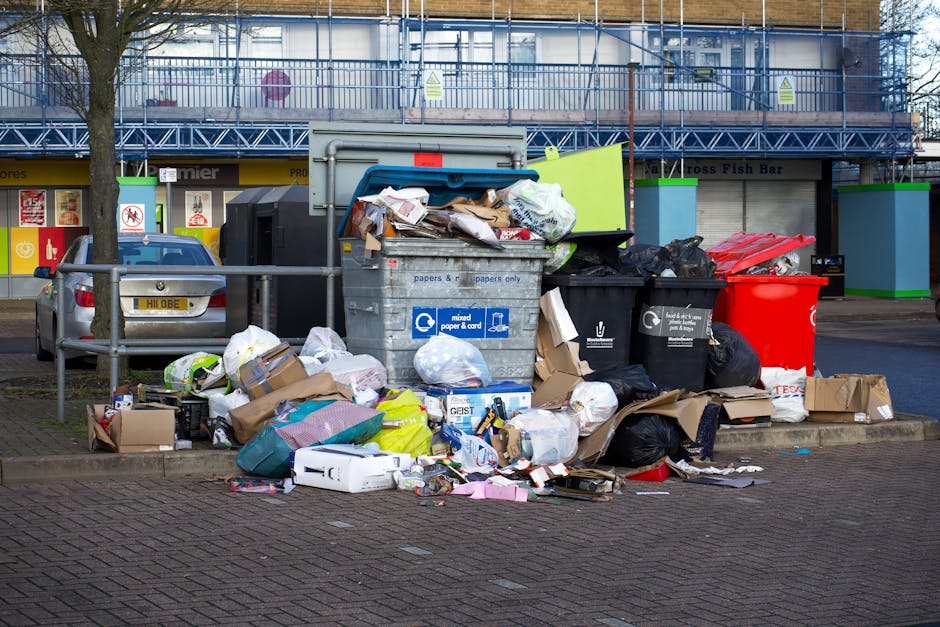
Practical Checklist
Use this before you confirm any rubbish collection in Camden.
- Have you listed every item or waste type clearly?
- Have you shared photos of the waste and access route?
- Have you mentioned stairs, lift access, parking, and loading distance?
- Is the quote itemised or clearly explained in writing?
- Do you know whether labour, disposal, VAT, and access are included?
- Have you asked what could trigger an extra charge?
- Do you know whether dismantling or carrying items from multiple rooms is included?
- Have you checked whether the waste type affects pricing?
- Do you have the quote saved by email or message?
- Have you reviewed the provider's payment, safety, and service information?
Quick rule of thumb: if you cannot explain the quote back to yourself in one sentence, it probably needs one more question.
And that's fine. Better one extra question now than a long sigh later.
Get a free quote today and see how much you can save.
Conclusion
Avoiding hidden rubbish collection charges in Camden Council area is really about clarity, preparation, and asking the right questions before anyone lifts a bag. That is the heart of it. If you know what you are removing, describe the access properly, and insist on a written quote that matches the job, you can avoid most of the common pricing traps without any drama.
Camden is busy, varied, and a bit unpredictable in the way London often is. That is exactly why transparent pricing matters. Whether you are clearing one sofa, a garden load, or an entire flat, the right provider should make the process simpler, not more confusing.
Take your time, compare carefully, and trust the people who are clear from the start. It usually pays off. And honestly, that small bit of calm before a collection day can feel like a relief in itself.
 Tipper Van - Waste Clearance and Rubbish Disposal Prices in Camden, NW10
 Luton Van - Waste Clearance and Rubbish Disposal Prices in Camden, NW10


