Rubbish clearance Chalk Farm Road and Kentish Town tips
Posted on 09/08/2026
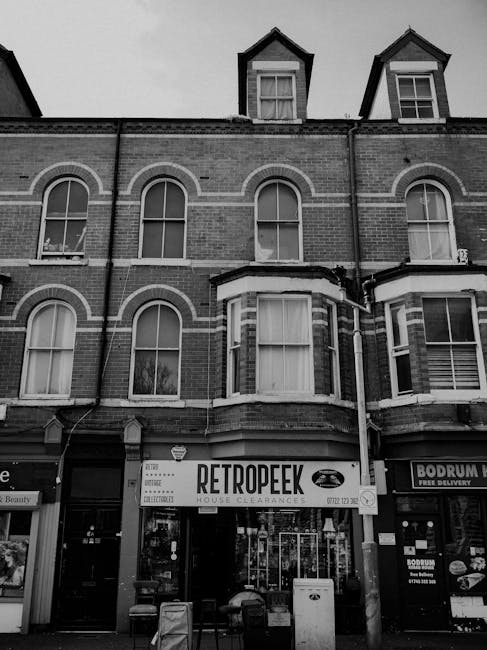
If you are trying to clear rubbish around Chalk Farm Road or in Kentish Town, the job can look simple from the outside and then suddenly become a bit of a faff. Bags pile up, old furniture takes over the hallway, builders' debris lands everywhere, and before long you are juggling access, parking, sorting, timing, and what to do with items that are too bulky for the bin. These Rubbish clearance Chalk Farm Road and Kentish Town tips are designed to make the whole process calmer, quicker, and far less stressful.
Whether you are clearing a flat after a move, dealing with office clutter, or just trying to reclaim a back garden that has become a storage area by accident, the best approach is usually the same: plan the clearance properly, separate what can be reused or recycled, and avoid last-minute decisions that cost time and money. A little structure goes a long way. Truth be told, that is usually where the savings are.
In this guide, you will find practical local advice, a step-by-step clearance process, common mistakes to avoid, and a realistic checklist you can actually use. I have also included a simple comparison table, a real-world example, and answers to the questions people tend to ask when they are halfway through a clearance job and thinking, "Right, what now?"
Why Rubbish clearance Chalk Farm Road and Kentish Town tips Matters
Local rubbish clearance is not just about getting rid of things. Around Chalk Farm Road and Kentish Town, it often has to be done with narrow streets, busy traffic, flats with shared entrances, limited loading space, and neighbours who quite rightly do not want the stairwell blocked for half a day. That mix makes good planning more important than people expect.
There is also a practical side that gets overlooked. When rubbish sits around for too long, it can attract pests, create odours, make rooms unusable, and turn a simple job into a much bigger one. A pile of mixed waste is also harder to sort later, which means more time spent separating materials and less chance of recycling anything properly. Not ideal.
For landlords, tenants, homeowners, shopkeepers, and small businesses, the real value of a local approach is speed and control. If you know what needs removing, what can be reused, and what needs special handling, the whole clearance becomes more manageable. That is especially true when you are working around real-life constraints like school runs, deliveries, building works, or weekend footfall.
There is another angle too: local knowledge helps reduce mistakes. On a busy road, even a small delay can snowball into parking problems, neighbour complaints, or extra lifting if items have to be moved farther than expected. A decent clearance plan should respect the street, the building, and the people who live or work there. That sounds obvious, but you would be surprised how often it gets missed.
How Rubbish clearance Chalk Farm Road and Kentish Town tips Works
At a practical level, rubbish clearance usually follows the same broad pattern. First, the waste is assessed. Then it is sorted. Then it is removed, loaded, transported, and taken to an appropriate facility for disposal, reuse, or recycling. The details matter, though, because the quality of the clearance depends on how well each stage is handled.
For a flat near Kentish Town or a property close to Chalk Farm Road, the first question is often access. Can a vehicle stop close enough? Is there a lift? Are there steps? Do items need to be carried through shared hallways? These small questions decide how long the job takes and how many people are needed. In other words, the "simple" clearance is never quite simple.
The next part is waste separation. Mixed waste is common, but it is rarely the best option. Furniture, metal, wood, green waste, electrical items, and builders' rubble each have different handling needs. If you sort the items early, you are more likely to maximise recycling and avoid unnecessary handling later.
In many cases, clearance jobs in this part of Camden also involve timing. Morning collections can work well on busier streets. Midweek can be easier than Friday if loading bays are tight. And if you are clearing from a shared building, giving neighbours a bit of notice is simply good manners. A polite note can save a headache. A small thing, but useful.
If you want to understand how rubbish removal fits into the wider area, it can help to look at related local guidance such as the Camden Town NW1 rubbish collection guide for residents and rubbish removal near Regent's Park, Camden Lock and market areas. Those pages give a broader sense of how local clearances are often affected by access, traffic, and property type.
Key Benefits and Practical Advantages
The most obvious benefit is space. Clearing unwanted items gives you back floors, cupboards, entrances, and working room. But the less obvious benefits are often more valuable in the long run.
- Better safety: fewer trip hazards, less clutter, and easier movement through the property.
- Faster turnaround: a well-planned clearance usually finishes much more quickly than a half-hearted DIY attempt.
- Cleaner sorting: items can be separated for donation, reuse, recycling, or disposal before they become one big mixed pile.
- Less stress: the job feels more manageable when you have a plan and realistic timing.
- More professional presentation: useful for landlords, sellers, and business premises that need to look tidy quickly.
There is also a financial angle. If you sort items carefully, you may reduce the amount of waste that needs to be treated as general rubbish. That does not always mean a huge saving, but it can help avoid wasteful handling. And when time is tight, reducing re-handling is often the real win.
For business users, the benefit is continuity. An office or shop clearance that is handled properly should minimise downtime and keep walkways, exits, and work areas usable. For homeowners, the benefit is peace of mind. Simple as that, really.
Who This Is For and When It Makes Sense
These tips are useful for a wide range of people, but they are especially relevant if you are dealing with one of the situations below:
- Tenants moving out and needing to leave a property clear and presentable.
- Landlords preparing a flat between lets or clearing abandoned items.
- Homeowners dealing with accumulated clutter, loft contents, or garage waste.
- Builders and renovators with leftover materials, offcuts, and packaging.
- Office managers replacing furniture, clearing storage rooms, or reducing archive clutter.
- Shop owners needing a quick removal of packaging, fixtures, or old stock.
- Families handling a house clearance after a move, downsizing, or bereavement.
Sometimes the decision is obvious. Other times it is not. If you only have a few small bags, local council disposal or a planned tip run may be enough. But if the waste includes bulky items, heavy materials, mixed rubbish, or awkward access, a more organised clearance usually makes far more sense. Why wrestle with a wardrobe down two flights of stairs if you do not have to?
It also makes sense to bring in help if the job has a deadline. End of tenancy, sale preparation, office opening, or pre-refurbishment clear-outs all tend to run better when the clearance is treated as a proper task, not a weekend gamble.
Step-by-Step Guidance
Here is a practical way to approach a clearance in Chalk Farm Road or Kentish Town without turning it into a full-blown project you dread starting.
- Walk through the property first. Make a quick list of what must go, what might be kept, and what could be reused or donated.
- Separate waste by type. Keep furniture, electrical items, general waste, recycling, and builder's waste apart where possible.
- Measure bulky items and access points. Check doorways, stairwells, lifts, and any parking or loading restrictions.
- Decide your timeline. If you need the place empty by a certain day, work backwards from that deadline.
- Remove obvious hazards first. Broken glass, loose nails, exposed edges, and heavy unstable items should be handled early.
- Bag and box lighter items. This makes loading more efficient and reduces the risk of damage in hallways.
- Keep useful items aside. Don't accidentally clear something you actually meant to keep. It happens more than people admit.
- Schedule the removal. Match the vehicle size, crew size, and lifting effort to the job.
- Check what happens next. Ask how items are sorted and where recycling is possible.
- Do a final sweep. Look in cupboards, behind doors, under sinks, on shelves, and in loft corners. You always find one more thing, don't you?
When the clearance is larger, the best results usually come from breaking the job into sections: one room, one floor, one category of waste. That keeps decisions clear and prevents the classic "pile everything in the middle and hope for the best" approach, which to be fair, rarely ends well.
Expert Tips for Better Results
One of the best local clearance tips is to plan around access rather than volume alone. A small job in a difficult building can take longer than a larger job with easy ground-floor access. That is why a quick look at stairs, entry codes, parking, and lift size matters so much.
Use clear sorting zones. If the property allows it, create separate corners for keep, donate, recycle, and dispose. This prevents mix-ups and makes the final load much neater. It also stops people from double-handling the same item, which is one of those sneaky time-wasters that creeps in fast.
Keep paperwork and personal items separate early. In house clearances, this is essential. Documents, keys, photos, and valuables often hide inside drawers, folders, and old boxes. Once they are mixed with waste, recovery becomes annoying at best and impossible at worst.
Think about noise and timing. Rattling items down stairs at 7 a.m. is not the best way to make friends in a shared building. A quieter, steadier pace is usually better for everyone involved.
Choose reuse before disposal where sensible. A solid table, working chair, or usable storage unit may have more life in it. The key is being honest. If it is damaged, unsafe, or waterlogged, do not pretend it is "basically fine." That is just how clutter survives.
Ask questions about sorting and handling. Good clearance work should be able to explain how different waste types are managed. If nobody can tell you how they separate items, that is a bit of a red flag.
Save yourself a second round. The easiest clearance jobs are the ones where the first visit removes everything that needs removing. Make sure the initial survey, list, and timing are accurate. A rushed estimate can lead to annoying return trips.

Common Mistakes to Avoid
People often make the same handful of mistakes when clearing rubbish locally, and most of them are avoidable.
- Mixing all waste together: it makes sorting slower and can reduce recycling opportunities.
- Underestimating access problems: a large item may be easy to lift but awkward to turn in a narrow stairwell.
- Leaving the clearance until the last minute: deadlines create stress, and stress creates mistakes.
- Forgetting hidden spaces: lofts, cupboards, garden corners, under-bed storage, and outbuildings often hold more than expected.
- Assuming every item can go the same way: electricals, chemicals, and bulky items may need different handling.
- Ignoring neighbours or building rules: shared spaces can become awkward very quickly if access is blocked.
- Not checking what is reusable: valuable furniture or salvageable materials sometimes get thrown away unnecessarily.
One of the biggest problems, in my experience, is simply not walking the whole property before starting. People open one room, see the mess, and dive in. Then they find more in the loft, more in the shed, more behind the sofa, and suddenly the plan is gone. It is a very human mistake. Still a mistake, though.
Another common issue is assuming a quick tidy-up counts as a clearance. If the aim is to clear a property, half-finished sorting usually creates a second job later. Better to be decisive from the start.
Tools, Resources and Recommendations
You do not need a van full of specialist gear to manage a straightforward clearance, but the right basics make a noticeable difference.
- Heavy-duty bags and boxes: useful for mixed lighter waste and awkward loose items.
- Gloves and sturdy footwear: especially important if there is broken material or sharp debris.
- Labels or tape: ideal for marking keep, donate, recycle, and dispose.
- Basic measuring tape: surprisingly handy for furniture, appliances, and narrow access points.
- Trolley or sack truck: useful for heavier boxes if the route is clear and safe.
- Notebook or phone checklist: keeps the job organised when multiple rooms are involved.
For readers who want to understand related services, it can help to browse the wider site area overview such as the services overview. If your clearance includes furniture, you may also find furniture disposal in Camden, house clearance support, office clearance options, or builders' waste disposal relevant depending on the type of waste involved.
If sustainability matters to you - and in London, it usually should - it is worth paying attention to recycling routes and material separation. A sensible place to start is the site's recycling and sustainability guidance, which reflects the broader best-practice approach: separate what can be recycled, keep reusable items out of general waste, and avoid mixing hazardous or specialist materials with everything else.
Law, Compliance, Standards, or Best Practice
For rubbish clearance in the UK, the basic principle is simple: waste must be handled responsibly. That means using appropriate collection and disposal methods, keeping different waste types separate where sensible, and avoiding fly-tipping or unsafe handling. If you are dealing with contractors or a clearance provider, it is reasonable to expect them to operate in a way that reflects standard UK waste-handling practice.
There are also practical duties that matter even when the law is not the main focus. For example, if the clearance involves shared access, you should avoid blocking fire exits, stairwells, or entrances. If the job includes broken glass, electrical items, heavy furniture, or builder's debris, the work should be planned to reduce injury risk. Nobody wants an avoidable trip or back strain in the middle of a busy day.
Best practice usually includes:
- sorting waste before removal where possible;
- keeping recyclables separate from general rubbish;
- handling hazardous or awkward items carefully;
- protecting floors, walls, and shared spaces during removal;
- communicating clearly about timing and access;
- checking that items are taken to the right destination for disposal or recycling.
If you are a landlord, business owner, or managing agent, it is especially sensible to keep records of what was removed and when. Not because every job becomes a paperwork marathon, but because clear records save time if questions come up later. A plain, tidy approach is often enough.
Options, Methods, or Comparison Table
There is no single best way to clear rubbish around Chalk Farm Road and Kentish Town. The right choice depends on volume, urgency, access, and what kind of waste you have. Here is a simple comparison to help.
| Method | Best for | Pros | Trade-offs |
|---|---|---|---|
| DIY sorting and local disposal | Small, manageable amounts of waste | Low cost, full control | Time-consuming, hard work, limited by transport and access |
| Scheduled local clearance | Medium to large mixed waste loads | Efficient, less lifting, better for bulky items | Requires planning and accurate item lists |
| Room-by-room staged clearance | House moves, decluttering, larger properties | Organised, less overwhelming, easier to sort | Takes longer overall if deadlines are tight |
| Specialist clearance for builders' or office waste | Renovations, offices, fit-outs | Better handling of specific waste streams | Needs careful coordination with the work schedule |
As a rule of thumb, if the job involves bulky furniture, heavy bags, or awkward access, the "I'll just do it myself" route tends to become more tiring than expected. If the waste is light and limited, DIY can be perfectly fine. The trick is being honest about the scale before you start.
Case Study or Real-World Example
Here is a realistic example. A small two-bedroom flat near Kentish Town had accumulated a mix of old shelving, broken chairs, moving boxes, a worn sofa, and several bags of general clutter after a tenant move. Nothing dramatic, but enough to make the property feel cramped and unfinished.
The first mistake the occupants almost made was treating everything as one pile in the front room. That would have made the job slower and messier. Instead, they paused and split the items into four groups: keep, donate, recycle, and dispose. They also checked the stairwell width before moving anything heavy, which saved a headache because one chair had to be taken apart to get it out safely.
They then cleared the smaller items first, leaving the larger pieces for the end. That gave them room to move, reduced the risk of snagging walls, and made loading far more efficient. The final sweep caught a surprising amount of forgotten stuff: one umbrella stand, a box of paperwork, and a lonely lamp that had somehow been hiding in the corner for months. Happens all the time.
The main lesson? Even a modest local clearance runs more smoothly when you plan the order of operations. No drama, no rushing, no "we'll just shove it all outside and see." The property ended up ready much faster than expected, and the people involved said the clean break helped them move on. That part matters more than people admit.
Practical Checklist
Use this checklist before, during, and after a rubbish clearance job in Chalk Farm Road or Kentish Town.
- Walk through every room, cupboard, loft, and storage area.
- Separate keep, donate, recycle, and dispose piles.
- Measure bulky items and check stairways, lifts, and door widths.
- Confirm parking, loading, and access arrangements.
- Remove paperwork, valuables, and personal items first.
- Bag or box loose waste before moving it.
- Set aside any electrical items or items needing special handling.
- Protect floors, walls, and shared spaces where needed.
- Plan around noise, neighbours, and building rules.
- Do a final sweep of hidden corners before the job is considered done.
If you can tick off most of those points, you are already ahead of the game. And yes, the final sweep usually finds one more thing. It just does.
Conclusion
Good rubbish clearance around Chalk Farm Road and Kentish Town is really about three things: planning, sorting, and timing. Get those right, and even a messy clearance becomes manageable. Skip them, and the job gets bigger, slower, and more expensive in effort if nothing else.
The most useful takeaway is probably this: treat clearance as a process, not an emergency. Walk the space, separate the waste, think about access, and choose the method that fits the real situation rather than the ideal one. That approach saves stress, protects the property, and gives you a cleaner finish.
Whether you are clearing a flat, a shop, a worksite, or a family home, a calm and organised approach makes all the difference. One careful hour at the start can save a very messy afternoon later. And that is usually the difference between a job that feels chaotic and one that just gets done properly.
Get a free quote today and see how much you can save.

 Tipper Van - Waste Clearance and Rubbish Disposal Prices in Camden, NW10
 Luton Van - Waste Clearance and Rubbish Disposal Prices in Camden, NW10


