Rubbish removal near Regents Park Camden Lock and market
Posted on 16/07/2026
Rubbish removal near Regents Park Camden Lock and market: a practical local guide
If you are looking for Rubbish removal near Regents Park Camden Lock and market, you are probably dealing with one of two things: waste building up faster than expected, or a job that looks simple until you try to move it yourself. Around Camden, that happens a lot. Flats are compact, stairwells can be awkward, market days bring extra packaging, and even a small clear-out can turn into a van-load before you know it. Truth be told, rubbish removal in this part of London is as much about timing, access, and common sense as it is about getting rid of unwanted items.
This guide breaks down how local rubbish removal works, what to watch for near Regents Park, Camden Lock and the market, which jobs it suits best, and how to avoid the usual mistakes. If you want a cleaner property, a smoother collection, and less faff on the day, you are in the right place.
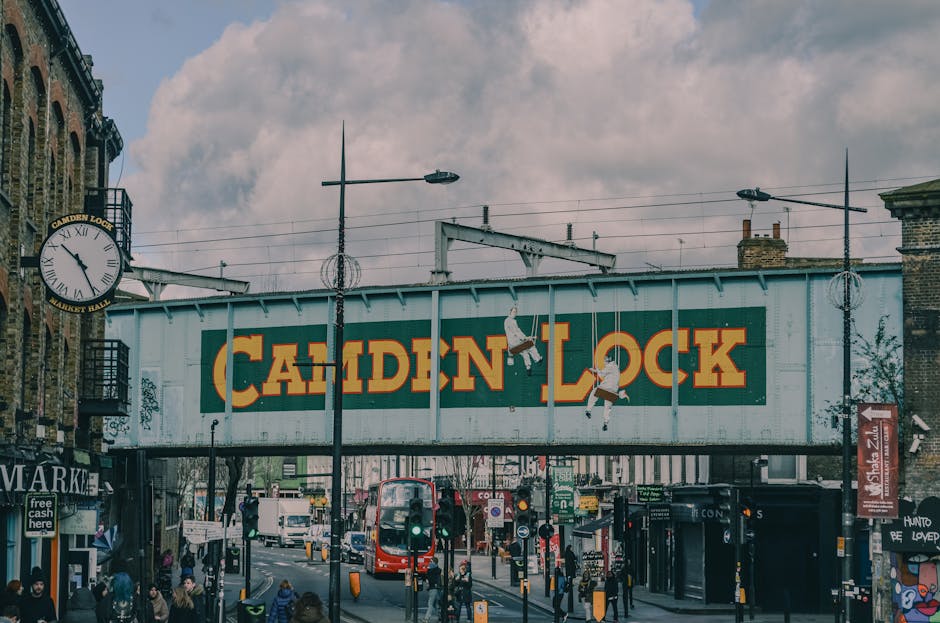
Why Rubbish removal near Regents Park Camden Lock and market Matters
Rubbish removal in this area is not just about tidiness. It is about keeping a busy, high-footfall part of Camden manageable. Around Camden Lock and the market, you get a constant mix of visitors, traders, residents, hospitality businesses, and short-stay occupants. That means waste can pile up quickly, and it rarely stays in one neat corner. One cardboard box becomes five. One broken chair becomes a blocked hallway. And then suddenly the whole place feels messier than it should.
For residents, the issue is often space. For landlords and letting agents, it is presentation and turnaround time. For small businesses, it can be about avoiding disruption during opening hours. For builders and decorators, it is about not leaving a site half-finished because the waste is still sitting there. In a neighbourhood where the pace is already lively, rubbish on the pavement or in communal areas simply stands out more.
There is also the practical side. Busy streets, restricted parking, and narrow access can turn DIY disposal into a stressful job very quickly. You may have the right idea and the wrong logistics. That happens all the time. A professional collection can save you multiple trips, reduce the risk of damage, and keep things moving without making a day of it.
If you want to understand the wider Camden context before booking a collection, you may also find this Camden area guide useful for getting a feel for how the borough works day to day.
How Rubbish removal near Regents Park Camden Lock and market Works
In plain English, rubbish removal usually works like this: you list what needs to go, the collection is priced based on volume, item type, labour, and access, and then a team arrives to remove the waste from where it is stored. That might be a flat, basement, shopfront, office, studio, or building site. Simple on paper. Not always simple in real life.
The key detail is access. A collection from a ground-floor storage room is very different from a third-floor flat with no lift. A handful of bin bags is different from dismantling wardrobes, builders' rubble, or office desks. Good rubbish removal is about matching the right method to the job rather than trying to force everything into one standard approach.
Near Regents Park, Camden Lock and the market, collections also need to be planned around local movement. Early mornings, market trading hours, and busier visitor periods can affect loading and parking. A sensible provider will ask the right questions upfront: what needs removing, how much there is, where it is located, whether anything is heavy or awkward, and whether there are any restrictions on access.
For people wanting a broader overview of what a local waste service typically covers, the services overview is a helpful place to start. And if your job is a straightforward household clear-out, waste collection in Camden is often the most relevant route.
Key Benefits and Practical Advantages
There are a few clear reasons people choose professional rubbish removal rather than trying to deal with it themselves.
- Less lifting and less hassle. Heavy items, sharp edges, and awkward furniture are not fun to drag down stairs. Let's be honest, nobody wants a bruised shin on a Tuesday afternoon.
- Faster turnaround. If you need a room cleared for cleaners, decorators, new tenants, or a photo shoot, speed matters.
- Better local fit. Camden streets are busy, and nearby collections need to work around real-world access issues, not idealised ones.
- Cleaner presentation. This is especially important for landlords, sellers, shop owners, and hospitality businesses.
- Reduced disposal mistakes. Many people mix recyclable material, general waste, and items that need special handling. A proper collection helps separate that out.
- Peace of mind. A proper service is more reassuring than trying to cram everything into the boot of a car and hoping for the best.
There is a subtler benefit too: removal done well reduces the sense of chaos. A property feels calmer almost instantly once the surplus is gone. You notice it. The room sounds different, if that makes sense. Less clutter, less echo, less mental noise.
Where recycling matters, you can also read more about recycling and sustainability to understand how waste should be handled with a more responsible approach.
Who This Is For and When It Makes Sense
Rubbish removal near Regents Park Camden Lock and market is useful for a surprisingly wide range of people. Not just big clear-outs, either.
Homeowners and renters often need help after moving, redecorating, or clearing out years of accumulated stuff. In smaller Camden properties, even a modest declutter can uncover more waste than expected: broken chairs, old electronics, packaging, mattresses, or bags that never quite made it to the tip.
Landlords and letting agents use rubbish removal between tenancies, after tenant moves, or following a property refresh. If you are preparing a place to let or sell, visual order matters. In a competitive area, first impressions are not a luxury.
Businesses and office managers may need desk clearances, archive disposal, old stock removal, or a general reset after refurbishment. In busy areas, a quiet and tidy collection can be the difference between a smooth week and a minor headache.
Builders, decorators, and tradespeople need dependable waste removal for rubble, timber offcuts, broken fixtures, packaging, and old fittings. Waiting until the end of a job to think about waste is a classic mistake. It always feels manageable until the pile takes over the room.
Shop owners near the market may need regular or ad hoc collections for packaging, display waste, damaged stock, or seasonal clear-outs. That is especially true where storage is tight and delivery cycles are constant.
If you are comparing job types, it may help to look at specific services such as house clearance in Camden, office clearance, furniture disposal, builders waste disposal, or garden waste removal depending on the type of waste involved.
Step-by-Step Guidance
If you want the cleanest possible collection day, a little preparation goes a long way. Here is the most practical way to approach it.
- Sort what is going. Separate general waste, recyclable items, reusable goods, and anything that needs special attention. You do not need to overdo it, but a basic sort saves time.
- Identify bulky or awkward items. Wardrobes, sofas, mattresses, filing cabinets, white goods, rubble, and mixed bags all affect how the job is handled.
- Check access. Think about stairs, lifts, entry codes, loading space, and whether parking is tricky. Near Camden Lock, that matters more than people expect.
- Measure roughly. You do not need a builder's tape and a spreadsheet. Even a quick estimate of how many bin bags, boxes, or large items you have is useful.
- Flag hazards early. Broken glass, needles, sharp metal, mouldy items, paint, chemicals, or electrical waste should be mentioned in advance.
- Book a time that matches the area. If your road gets busy with visitors or traders, choose a slot that reduces disruption.
- Keep the waste together. Put everything in one place if possible. That sounds obvious, but people often scatter items across rooms and then wonder why collection takes longer.
- Ask about disposal details. A good provider should be able to explain what happens next in plain language, without making it feel like a mystery tour.
A useful rule of thumb: the more mixed and less accessible the waste, the more value you get from proper planning. It is not glamorous. It is just efficient.
Expert Tips for Better Results
Here are the things that usually make a collection smoother, especially in a busy local area.
- Take photos before booking. A few clear pictures often help more than a long explanation. You can show piles, access points, stairs, and any bulky items.
- Be honest about volume. Underestimating waste is one of the main reasons people feel caught out later.
- Separate obvious recyclables. Cardboard, clean wood, metals, and some white goods may need different handling.
- Keep paths clear. A clean route to the waste can save time and reduce risk.
- Plan around neighbours. In blocks and terraces, a little consideration goes a long way. Nobody likes a corridor blocked by a fridge at 8am.
- Check whether anything can be reused. Some furniture and household items still have life left in them. If they can be reused, that is usually the better outcome.
Small tip, but an important one: if you are dealing with a mixed clear-out, label piles as you go. "Keep", "donate", "recycle", "remove". It is dull work. Also very effective. And yes, you will still find one rogue cable from 2017 that nobody seems to recognise.
For readers who want more background on the service provider side, about us is useful for understanding how a local collection company may be structured, while insurance and safety is worth checking if you want reassurance about how work should be carried out.

Common Mistakes to Avoid
Most rubbish removal problems are avoidable. The trouble is, they are also very easy to repeat if you are in a hurry.
- Leaving booking too late. If you need access at a specific time, last-minute arrangements can limit your options.
- Assuming all waste is the same. General rubbish, furniture, builders' waste, and electrical items are not identical in how they should be handled.
- Forgetting about access restrictions. A collection crew cannot work miracles if the van cannot stop nearby or the item will not fit through the stairwell.
- Mixing hazardous items into general waste. This is where people get into trouble, and it is not worth the risk.
- Not checking the final scope. If you think you have one sofa but there are also four bags, a table, and a broken chair, say so upfront.
- Choosing purely on price. Cheapest is not always best. If a quote sounds too vague, there is usually a reason.
One of the more frustrating mistakes is under-planning for local conditions. Camden can be wonderfully energetic, but that same energy means access, timing, and parking all need a bit of thought. It sounds obvious after the fact. Before the fact? Less obvious.
Tools, Resources and Recommendations
You do not need a warehouse full of equipment to prepare for rubbish removal, but a few simple tools help.
- Strong bin bags for lighter mixed waste.
- Gloves for handling broken or dusty items.
- Tape and labels if you are separating keep/recycle/remove piles.
- Phone camera to capture access points and item volume.
- Measuring tape if you are unsure whether bulky furniture will fit through doors or lifts.
- A basic notepad for listing items, especially in multi-room clear-outs.
When you are choosing a local service, look for clear communication, realistic arrival windows, and straightforward explanation of what is included. If a company is vague about access questions or seems uninterested in the details, that usually tells you enough. You want someone who understands the area, not just someone with a van and optimism.
For a general sense of service standards and available options, pricing and quotes can help you understand how jobs are typically assessed, while the main service overview gives a broader picture of what may be available.
Law, Compliance, Standards, or Best Practice
Waste removal in the UK is not something to take casually. You do not need to memorise legislation to make a sensible choice, but you should know the basics.
At a practical level, waste should be collected and disposed of responsibly, with appropriate care for recycling, reuse, and safe handling of any items that need special treatment. That includes electrical items, bulky waste, and anything potentially hazardous. If something is sharp, contaminated, or chemically risky, it should not be tossed in with everyday rubbish and forgotten about.
Best practice also means using a provider that communicates clearly, gives a fair scope of work, and handles waste in a way that fits normal environmental and safety expectations. If you are arranging a collection for a property, business, or building project, it is sensible to ask how waste will be separated, lifted, transported, and documented.
Insurance matters too. Not because every job is risky, but because properties around Camden can involve stairs, shared corridors, tight entrances, and valuable surfaces that should be protected. A careful team should treat those spaces with respect. That is simply part of doing the job properly.
If you care about responsible disposal, the site's recycling and sustainability information is worth a look. It gives a better sense of how waste should be approached when you want to reduce landfill where possible and avoid unnecessary wastefulness.
Options, Methods, or Comparison Table
Not every rubbish problem needs the same solution. Sometimes a collection is the quickest answer. Other times, sorting, reusing, or a more targeted clearance makes more sense.
| Option | Best for | Pros | Watch-outs |
|---|---|---|---|
| Ad hoc rubbish collection | Mixed household or general waste | Quick, flexible, good for one-off clear-outs | Needs accurate volume and access details |
| House clearance | Full or partial property clear-outs | Helpful for moves, probate, downsizing, or refreshes | Can involve more sorting and planning |
| Office clearance | Desks, chairs, files, and office equipment | Good for business moves or refurbishments | May require careful handling of equipment or paperwork |
| Furniture disposal | Sofas, beds, wardrobes, tables | Ideal for bulky household items | May need dismantling or access planning |
| Builders' waste disposal | Renovation and site waste | Suitable for rubble, timber, offcuts, packaging | Heavier loads need accurate estimation |
For nearby properties that need more than a simple rubbish lift, the right match is often one of these specialised services rather than a generic collection. That distinction saves time and avoids awkward surprises on the day.
Case Study or Real-World Example
Imagine a small flat near Camden Lock after a tenant move-out. Nothing dramatic. Just the kind of job that looks easy from the hallway and mildly chaotic once you open the rooms.
There is a tired sofa, a broken bedside table, a few bags of mixed waste, flattened cardboard, an old kettle, and a small stack of miscellaneous bits that somehow accumulated in the corner. The stairwell is narrow. Parking is not ideal. A market day is nearby, so the street already feels busy before noon.
In that scenario, a good rubbish removal plan would start with a quick photo assessment, a rough volume estimate, and a collection slot that avoids the busiest window. The waste would be grouped together before arrival, with the reusable and recyclable items separated where possible. If the furniture needed to go, it would be treated as a furniture disposal job rather than just a few random bags. That sounds like a small difference, but it changes the whole process.
The outcome is simple: the flat is clear, the exit is cleaner, and the next step, whether that is cleaning, decorating, or re-letting, becomes much easier. No drama. No three extra trips. No "we'll just leave it in the hallway for now" nonsense, which, let's be honest, never ends well.
Practical Checklist
Use this before booking rubbish removal near Regents Park, Camden Lock and the market.
- Confirm what needs removing.
- Separate bulky items from bagged waste.
- Take quick photos of the waste and access routes.
- Check whether anything is heavy, sharp, or fragile.
- Note stairs, lifts, gates, codes, or parking restrictions.
- Group the waste into one clear area if possible.
- Think about recyclables and reusable items.
- Choose a collection time that works with local traffic and footfall.
- Ask what is included in the quote.
- Keep a contact number handy on the day.
Expert summary: the best rubbish removal jobs are usually the ones that are prepared just enough, not overcomplicated, and not left until the last second. If the access is clear, the waste is grouped, and the type of waste is explained properly, the whole process tends to be far smoother.
Get a free quote today and see how much you can save.
Conclusion
Rubbish removal near Regents Park Camden Lock and market is really about making a busy part of Camden easier to live and work in. Whether you are clearing a flat, managing a property, refreshing a shop, or tidying up after building work, the right approach saves time, reduces stress, and helps keep the area looking cared for.
The main thing to remember is this: good waste removal is not just "take it away". It is planning, access, sorting, timing, and sensible handling. Get those parts right and the rest becomes much simpler. You will feel the difference almost immediately.
If you are ready to make the job easier, start with a clear assessment of what needs to go and choose the collection method that fits the waste, not the other way around. Small step, big relief. And honestly, that is often the best result.

 Tipper Van - Waste Clearance and Rubbish Disposal Prices in Camden, NW10
 Luton Van - Waste Clearance and Rubbish Disposal Prices in Camden, NW10


